Hydro Excavation vs. Traditional Excavation: Which is Better?
A professional contractor with extensive experience in excavation projects has come across several instances where the choice between traditional excavation and precision hydro excavation can have a significant impact on the outcome.
In this article, the author shares their insights into these methods to help fellow contractors make informed decisions based on real-world experiences.
What is Hydro Excavation?
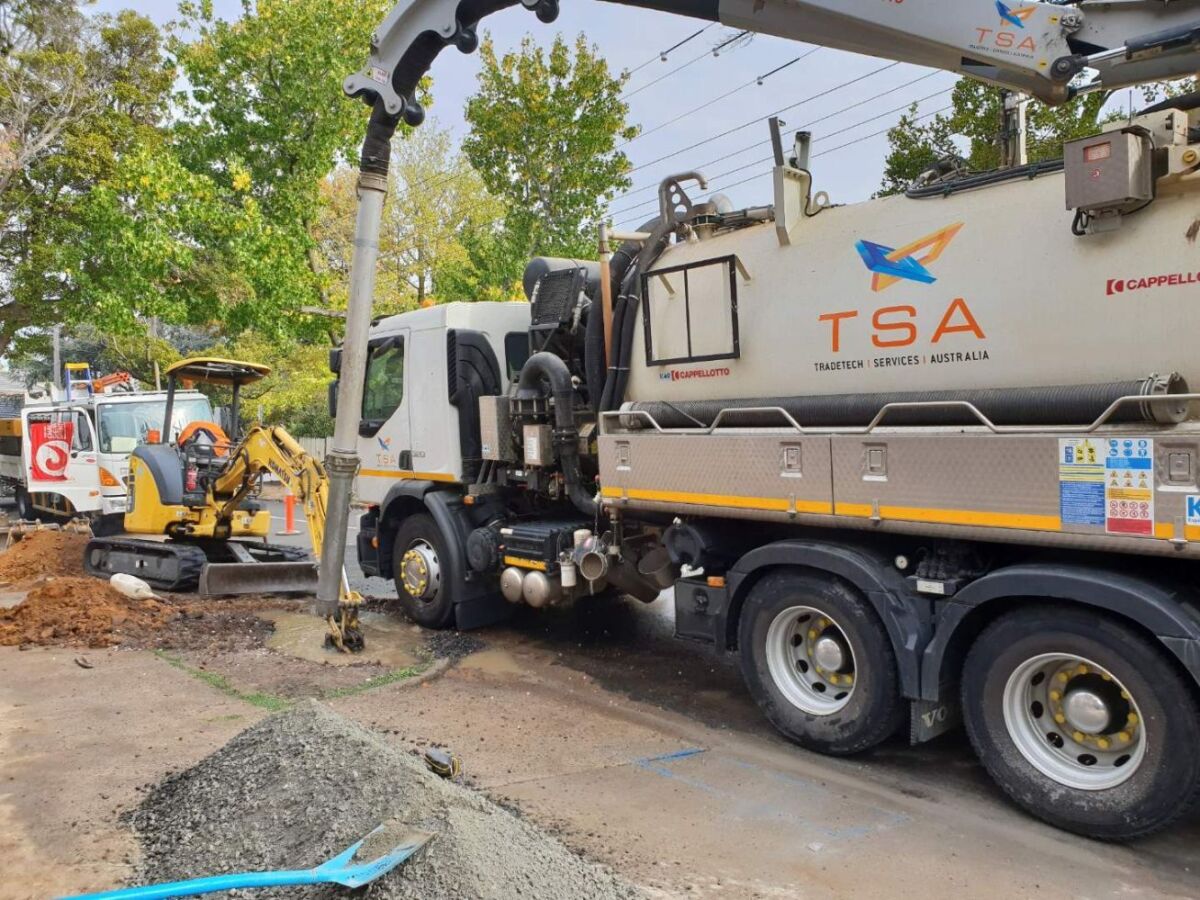 |
| Hydro Excavation |
Hydro excavation, a method I've increasingly relied on, involves using pressurized water to break up soil and a vacuum to remove the debris. This precise technique has proven invaluable in situations where accuracy is crucial, especially around delicate underground utilities.
What is Traditional Excavation?
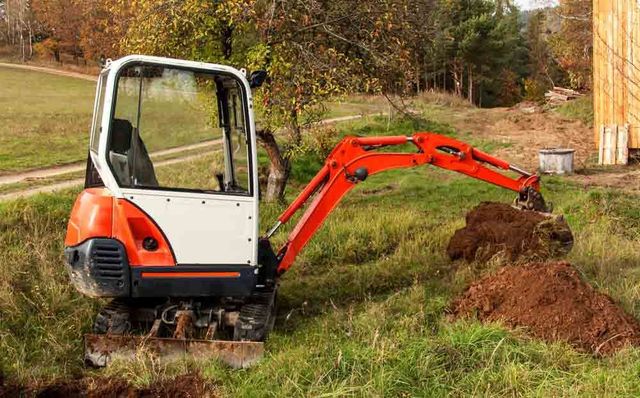 |
| Traditional Excavation |
Traditional excavation, while a familiar approach, often requires heavy machinery like backhoes and bulldozers to manually dig and remove soil. While this method is generally faster, it can pose risks to underground structures and utilities, which I've learned the hard way.
Comparison of Hydro Excavation and Traditional Excavation
In my experience, hydro excavation offers unparalleled safety and precision. It minimizes the risk of damaging utilities and structures, a concern I've encountered numerous times with traditional excavation. While traditional excavation may be faster, the potential for costly damages makes me increasingly favor hydro excavation, especially in urban areas with complex utility networks.
Applications of Hydro Excavation
I've found hydro excavation to be versatile, with applications ranging from utility work and construction projects to mining operations. Its ability to safely expose underground utilities has been a game-changer, allowing me to work with confidence in challenging environments.
Advantages of Hydro Excavation
The precision and safety of hydro excavation cannot be overstated. Its non-destructive nature has not only saved me from costly mistakes but also minimized environmental impact—a factor that is increasingly important in today's industry.
Disadvantages of Hydro Excavation
While hydro excavation offers numerous benefits, it's essential to consider its higher cost and slower pace. I've had to factor in these aspects when bidding for projects, especially those with tight deadlines where speed is paramount.
Conclusion
Based on my experience, the choice between hydro excavation and traditional excavation depends on the specific needs of each project. For jobs where precision and safety are non-negotiable, especially in urban settings or around sensitive infrastructure,
I highly recommend hydro excavation. However, for projects where speed is the primary concern and the risk to utilities is minimal, traditional excavation may still have its place.
Recommendation
For contractors seeking the best results and minimal risk in their excavation projects, I strongly advocate for considering hydro excavation, especially in scenarios where precision and safety are paramount.
While it may come with a higher cost and slower pace, the long-term benefits far outweigh these considerations, as I've learned through years of hands-on experience in the field.
Read our other article at Pouring Water.


Comments
Post a Comment