The Artistry of Chef's Kitchen Design: Crafting Culinary Havens
 |
| Chef's Kitchen Design |
The sounds of utensils and sizzling pans are the melodic notes of a gastronomic symphony. The design of the kitchen is a delicate balance between functionality and artistic expression, a fusion that transforms a kitchen into a haven for culinary creativity. To explore further, click here.
Explore the artistry within a chef's kitchen, where each stir, chop, and sizzle brings culinary dreams to life.
The Blueprint: Designing for Efficiency and Flow
 |
| Open Kitchen |
Ergonomics as a Cornerstone
In the heart of every chef's kitchen design lies the principle of ergonomics—a science that orchestrates the flow of work. From the placement of appliances to the arrangement of workstations, every element is meticulously curated to ensure a seamless dance between the chef and the ingredients. An efficient kitchen design minimizes unnecessary movements, allowing chefs to focus on the symphony of flavors without the distraction of a cumbersome layout.
Zoning for Functionality
A well-designed chef's kitchen embraces the concept of zoning, where different areas are dedicated to specific functions. The prep zone, cooking zone, and plating area each have a designated space, creating a logical progression from ingredient preparation to the final presentation. Zoning not only enhances efficiency but also contributes to the overall organization and aesthetics of the kitchen.
Aesthetic Harmony: Melding Form and Function
 |
| Aesthetic Harmony |
The Palette of Materials
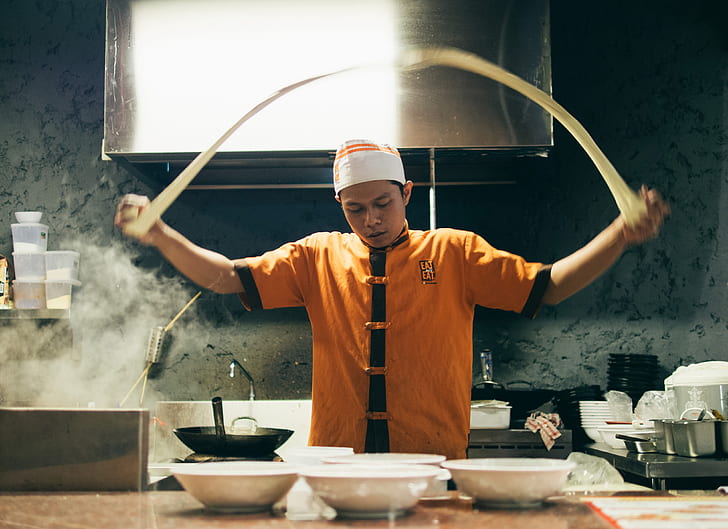
In the canvas of a chef's kitchen, the selection of materials is akin to choosing colors for a painting. Stainless steel, natural stone, and hardwoods are not merely functional; they contribute to the aesthetic narrative of the space. The interplay of textures and finishes adds depth, creating a kitchen that is not only a workspace but a visual delight.
Lighting as an Artistic Element
Beyond its practical role, lighting in a chef's kitchen is a tool for creating ambiance and highlighting key elements. Pendant lights over the kitchen island, under-cabinet lighting for task areas, and ambient lighting for a cozy feel—all contribute to the overall aesthetic appeal. A well-lit kitchen is not only a practical necessity but a stage where culinary creations come to life.
Innovative Appliances: Tools of Culinary Wizardry
 |
| Kitchen Appliances |
High-Performance Stovetops and Ovens
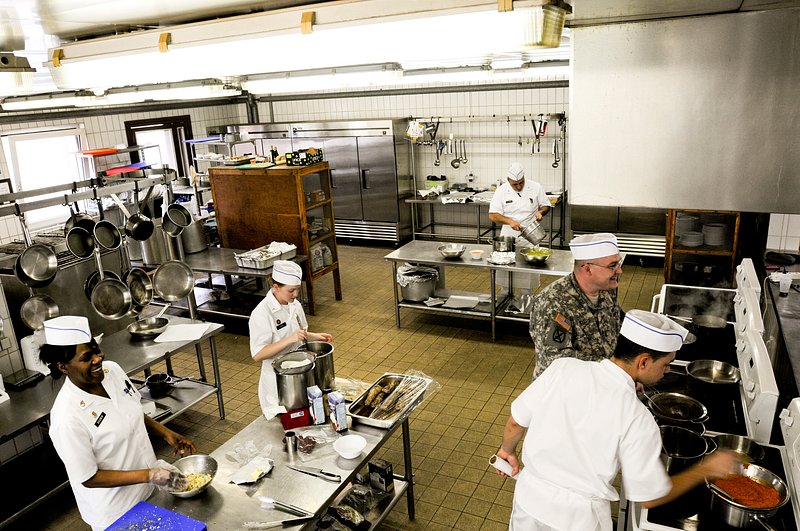
At the core of any chef's kitchen are the appliances that transform raw ingredients into gastronomic delights. High-performance stovetops and ovens are not merely tools; they are instruments that respond to the chef's command with precision. Induction cooktops, convection ovens, and sous-vide machines are the magic wands that turn culinary visions into reality.
Smart Appliances for a Connected Kitchen
In the era of smart technology, a chef's kitchen embraces connectivity. Smart refrigerators, ovens with built-in digital displays, and voice-activated assistants streamline tasks, providing chefs with real-time information and control. The integration of technology into kitchen design is not just a nod to modernity; it is a testament to the evolving nature of culinary craftsmanship.
The Soul of the Kitchen: Storage and Organization
 |
| Storage in Kitchen |
Customized Storage Solutions
In a chef's kitchen, organization is not a mere afterthought; it is a cornerstone of efficiency. Customized storage solutions, from pull-out spice racks to deep drawers for pots and pans, ensure that every tool has its designated place. A clutter-free kitchen allows chefs to focus on their craft, knowing that every utensil is within arm's reach.
Displaying Culinary Treasures
Beyond functionality, storage in a chef's kitchen serves as a canvas for showcasing culinary treasures. Open shelving, glass-front cabinets, and custom displays for prized kitchenware turn storage into a visual celebration of the chef's passion. Every piece of equipment becomes a part of the kitchen's aesthetic tapestry, adding a personal touch to the space.
Personalization: A Chef's Kitchen as an Extension of Self
 |
| Personal Chef's Kitchen |
Tailored Workstations
A chef's kitchen is not a one-size-fits-all space; it is a reflection of the chef's unique culinary style. Tailored workstations, whether it's a butcher block for precision knife work or a dedicated pastry station for delicate desserts, are designed to cater to the specific needs of the chef. Personalization goes beyond aesthetics; it is an acknowledgment that every chef has their own culinary journey and preferences.
Artistic Backsplashes and Statement Pieces
The backsplash in a chef's kitchen is not merely a practical element; it is an opportunity for artistic expression. From hand-painted tiles to unique materials like reclaimed wood or metallic finishes, the backsplash becomes a statement piece that ties the design together. These artistic touches elevate the kitchen from a functional workspace to a personalized haven.
Sustainability: A Green Approach to Culinary Spaces
 |
| Zero Waste Chef |
Eco-Friendly Materials and Appliances
As the culinary world embraces sustainability, chef's kitchen designs follow suit. From reclaimed wood countertops to energy-efficient appliances, the emphasis is on reducing the environmental footprint. A chef's kitchen becomes a space where culinary artistry coexists harmoniously with a commitment to the planet.
Herb Gardens and Sustainable Practices
Incorporating herb gardens and composting stations into the kitchen design is a nod to sustainability and a practical way to infuse dishes with fresh, home-grown flavors. Chefs, in their pursuit of excellence, become stewards of the environment, integrating eco-friendly practices into their culinary sanctuaries.
Future Trends: Evolving with Culinary Exploration
 |
| Future Kitchen |
Multi-Functional Spaces
The future of chef's kitchen design envisions multi-functional spaces that adapt to the evolving nature of culinary exploration. Flexibility in layout and the integration of modular elements allow chefs to transform their kitchens into experimental laboratories or intimate dining spaces, depending on the occasion.
Integration of Virtual Reality
As technology continues to advance, the integration of virtual reality into kitchen design becomes a possibility. Virtual cooking lessons, immersive culinary experiences, and interactive recipe displays could be part of the future chef's kitchen, offering a new dimension to the culinary journey.
Conclusion
In the realm of culinary artistry, a chef's kitchen is more than a utilitarian space; it is a canvas where passion, skill, and innovation converge. The design of this sacred space is an ode to the creative spirit, a harmonious blend of form and function that elevates the act of cooking to a transcendent experience.
As chefs continue to push the boundaries of gastronomic exploration, the evolution of chef's kitchen design becomes a testament to the ever-expanding horizon of culinary possibilities.
Read our other articles here.


Comments
Post a Comment